Building a Standards Aligned Curriculum With Cultural Responsiveness
Build curriculum that honors Indigenous knowledge and meets academic standards. Integrative Learning Partners designs culturally responsive education.
Build curriculum that honors Indigenous knowledge and meets academic standards. Integrative Learning Partners designs culturally responsive education.

Some schools are not struggling because they lack vision. They are struggling because they are carrying too much at once. A new mandate arrives before the previous one stabilizes. A grant adds reporting requirements without reducing existing workload. Leadership shifts direction midyear. Staff turnover resets momentum. Community expectations remain steady while resources fluctuate. From the…

There is a version of educational consulting that works in large districts with thick administrative layers and specialized departments. In those systems, consultants refine strategy, adjust pacing guides, or introduce new frameworks into an already structured machine. That is not the reality in many rural and Indigenous-serving schools. In smaller systems, education is inseparable from…

Curriculum development in rural and Indigenous-serving schools cannot begin with a template. It must begin with context. In many village schools and reservation-based districts, classrooms span multiple grade levels. Teachers rotate in and out every few years. Community priorities include cultural preservation, language revitalization, and economic sustainability alongside academic performance. When curriculum is imported without…

In rural and tribal school systems, grant funding is not supplemental. It is structural. Title programs, Indian Education Act allocations, federal competitive grants, and state initiatives often make up a significant portion of operating budgets. Without those funds, staffing shrinks, programs pause, and opportunities disappear. But securing a grant is only the beginning. The real…
In many rural and Indigenous-serving communities, the school is not just a building. It is a public space tied to history, governance, language, and identity. Families may have attended the same school for generations. Tribal councils may view the school as a partner in preserving culture and preparing youth for leadership. And yet, in too…
In many rural and Indigenous-serving communities, students already understand their place in the world long before school asks them to define it. They know the cycles of weather. They know the land. They understand which months matter for subsistence, which stories carry weight, and which responsibilities are shared across generations. Yet too often, school operates…

Rural and tribal schools are rarely short on ideas. They are short on alignment. A district may be revising curriculum while simultaneously launching a grant-funded initiative. Tribal leaders may be advocating for language integration while administrators are responding to state accountability measures. Teachers are managing multi-grade classrooms within those overlapping demands. Education planning services exist…
Many schools divide learning into neat compartments: math at one hour, literacy at another, science in a separate block. The structure is efficient on paper. In practice, it fragments understanding. Students in rural Alaska villages and reservation-based schools do not experience life in compartments. Fishing requires math and science. Tribal governance requires history, civics, and…
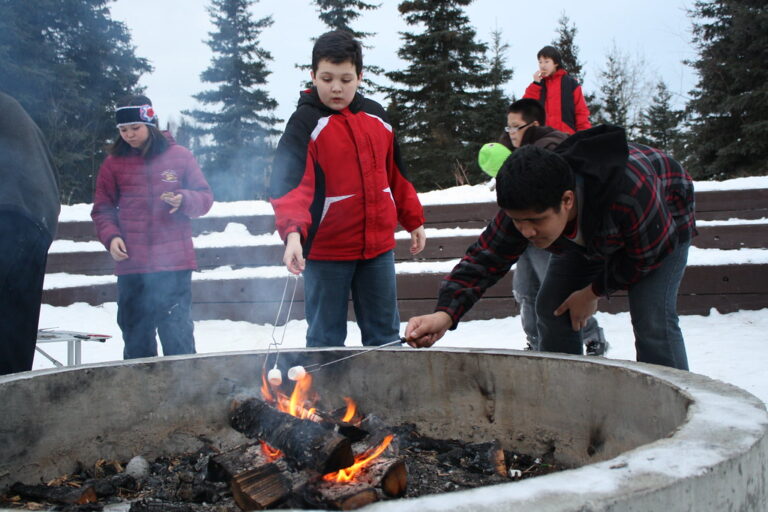
In many rural and Indigenous-serving schools, students don’t struggle because they lack ability. They struggle because school feels disconnected from the life they know. Lessons feel abstract. Assignments feel temporary. Standards feel distant from land, language, and livelihood. Real-world education addresses that gap. It anchors learning in the actual context students live in. It connects…
Culturally responsive curriculum reflects students’ lived experiences, community knowledge, languages, and histories. In rural and Indigenous-serving schools, educators can connect academic goals to local priorities rather than relying on one-size-fits-all materials.
Community members, families, and tribal partners can help select texts, shape lessons, and identify place-based projects. This collaboration supports relevant instruction while respecting local knowledge and cultural protocols.
Local knowledge can make classroom learning more meaningful by connecting concepts to the places, traditions, and responsibilities students know. Teachers can draw on community expertise to create lessons that support both academic learning and cultural understanding.
For example, a local watershed can anchor science and data analysis, while community histories can inform literacy and social studies. Educators should work with appropriate knowledge holders to ensure these connections are accurate and respectful.