Real-World Education in Rural and Indigenous Communities
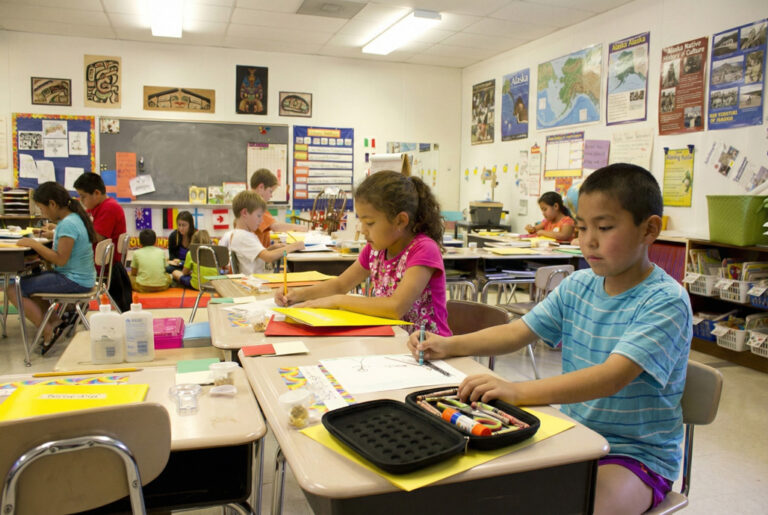
In many rural and Indigenous-serving schools, students don’t struggle because they lack ability. They struggle because school feels disconnected from the life they know. Lessons feel abstract. Assignments feel temporary. Standards feel distant from land, language, and livelihood.
Real-world education addresses that gap. It anchors learning in the actual context students live in. It connects academics to community issues, local industries, cultural knowledge, and daily problem-solving. When learning is grounded in the real world, it becomes harder to dismiss and easier to invest in. This approach is not about lowering expectations. It is about increasing relevance. And relevance changes everything.
In Short
- Real-world education connects academic standards to community life, land, and lived experience
- Students engage more deeply when learning solves actual problems or produces tangible outcomes
- Rural and Indigenous-serving schools are uniquely positioned to lead this model
What Real-World Education Looks Like
Real-world education does not require expensive technology or elaborate programming. It begins with one simple shift: asking how academic skills apply to real situations students recognize.
In a rural village, that might look like:
- Studying local water quality while learning scientific method
- Documenting oral histories to practice literacy and research skills
- Designing small business plans connected to community needs
- Analyzing subsistence harvest data to strengthen math skills
These projects are rigorous. They require research, revision, presentation, and reflection. The difference is that students can see the purpose. When a student presents findings to a tribal council or shares research with a local organization, the work carries weight. It leaves the classroom and enters community conversation. That experience changes how students see themselves as learners.
Why Rural Schools Are Positioned for This Work
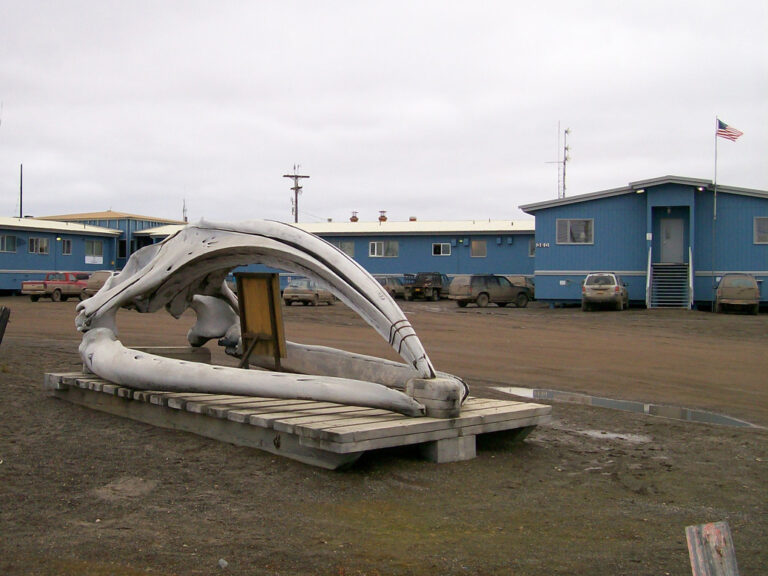
Metro districts often need to work hard to simulate relevance. Rural schools already sit inside it. Students grow up surrounded by complex systems: natural resources, subsistence economies, cultural governance, local business, environmental change. These are not hypothetical case studies. They are lived realities.
Real-world education in these settings might involve:
- Partnering with local fisheries or housing authorities
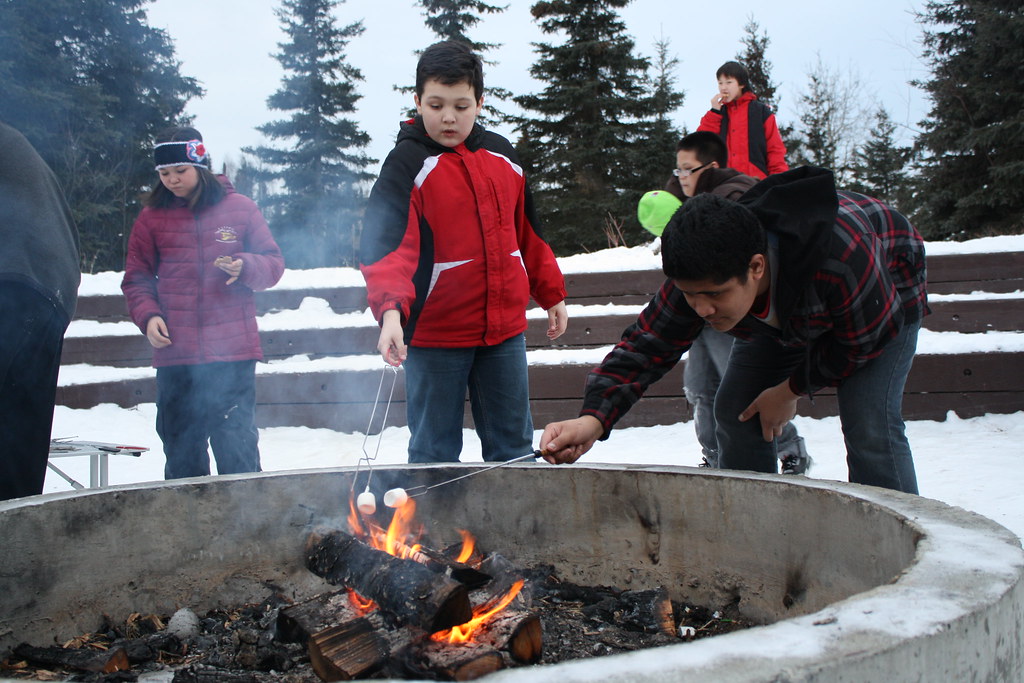
- Integrating land-based knowledge into science units
- Aligning career exploration with trades and community priorities
- Bringing Elders into classrooms to inform project themes
This approach respects community expertise. It also strengthens student identity. When students see their culture and environment reflected in instruction, school feels less like an outside institution and more like part of community life.
Academic Rigor Does Not Disappear
One concern educators raise is whether real-world education sacrifices standards. It does not. Strong real-world models align directly to state standards and measurable skills. The difference is in delivery and application.
For example:
- Writing standards are met through research reports tied to local issues
- Math standards are addressed through budgeting, measurement, and data analysis
- Science standards are met through field study and environmental monitoring
The rigor often increases because students must apply knowledge rather than memorize it. They defend ideas publicly. They revise work based on feedback. They solve problems that do not have answer keys. Applied learning requires clarity from educators. It demands thoughtful planning. But it produces deeper understanding.
The Shift for Teachers
Real-world education requires educators to rethink pacing and structure. Instead of teaching isolated units, teachers build toward culminating projects. Instead of covering every standard superficially, they prioritize depth. Many teachers benefit from ongoing coaching for educators as they transition into this model, especially in multi-grade or rural settings.
This can feel uncomfortable at first, especially in multi-grade classrooms. However, project-based structures often make mixed-level teaching more manageable. Students work on shared themes at different complexity levels. Older students mentor younger peers. Collaboration becomes part of the learning environment. The classroom shifts from teacher-centered delivery to guided inquiry and production. Teachers still lead. They simply lead through design and facilitation rather than constant direct instruction.
Student Engagement Changes
When students understand how learning applies outside the classroom, behavior often shifts. Attendance improves when projects feel meaningful. Participation increases when students see their voice influencing outcomes. Pride grows when work is presented to real audiences.
Real-world education does not eliminate every challenge. Rural schools still face staffing shortages, turnover, and resource limitations. But relevance gives students a reason to stay engaged despite those barriers. For communities concerned about retention and long-term student success, this approach strengthens both.
Starting Small
Schools do not need to redesign everything at once. Real-world education can begin with one unit, one project, or one partnership.
A teacher might:
- Invite a local leader to help frame a research question
- Turn a traditional essay into a public presentation
- Build a math unit around actual community data
- Create a year-end exhibition tied to local priorities
For schools looking to implement this approach across grade levels, structured educational consultation can help align vision, staff capacity, and community partnership.
Common Mistakes When Attempting Real-World Education
Real-world education can lose momentum if implementation is rushed or unclear. Some common missteps include:
- Trying to launch multiple large projects at once
- Failing to align projects with academic standards
- Overloading teachers without providing planning time
- Inviting community input after decisions are already made
- Treating real-world learning as a short-term initiative instead of a long-term approach
Strong real-world models align directly to state standards and measurable skills — something thoughtful curriculum development services can help schools structure over the course of a year. Real-world education reconnects school to the place it serves. It allows students to practice academic skills in ways that feel tangible and immediate. In rural and Indigenous-serving schools, this model fits naturally with community-centered values and land-based knowledge. When learning reflects real life, students do not have to ask why they are doing it. They can see the answer in front of them.